
When most people think of termites, they picture a minor nuisance—something that can be handled if it ever shows up. The reality is far more serious. Termites are responsible for billions of dollars in property damage every year in the United States, and much of that damage happens long before homeowners even realize there’s a problem.
For property owners in Northeastern Pennsylvania, understanding just how destructive termites can be is key to protecting your home or business.
The Silent Destruction Happening Behind Your Walls
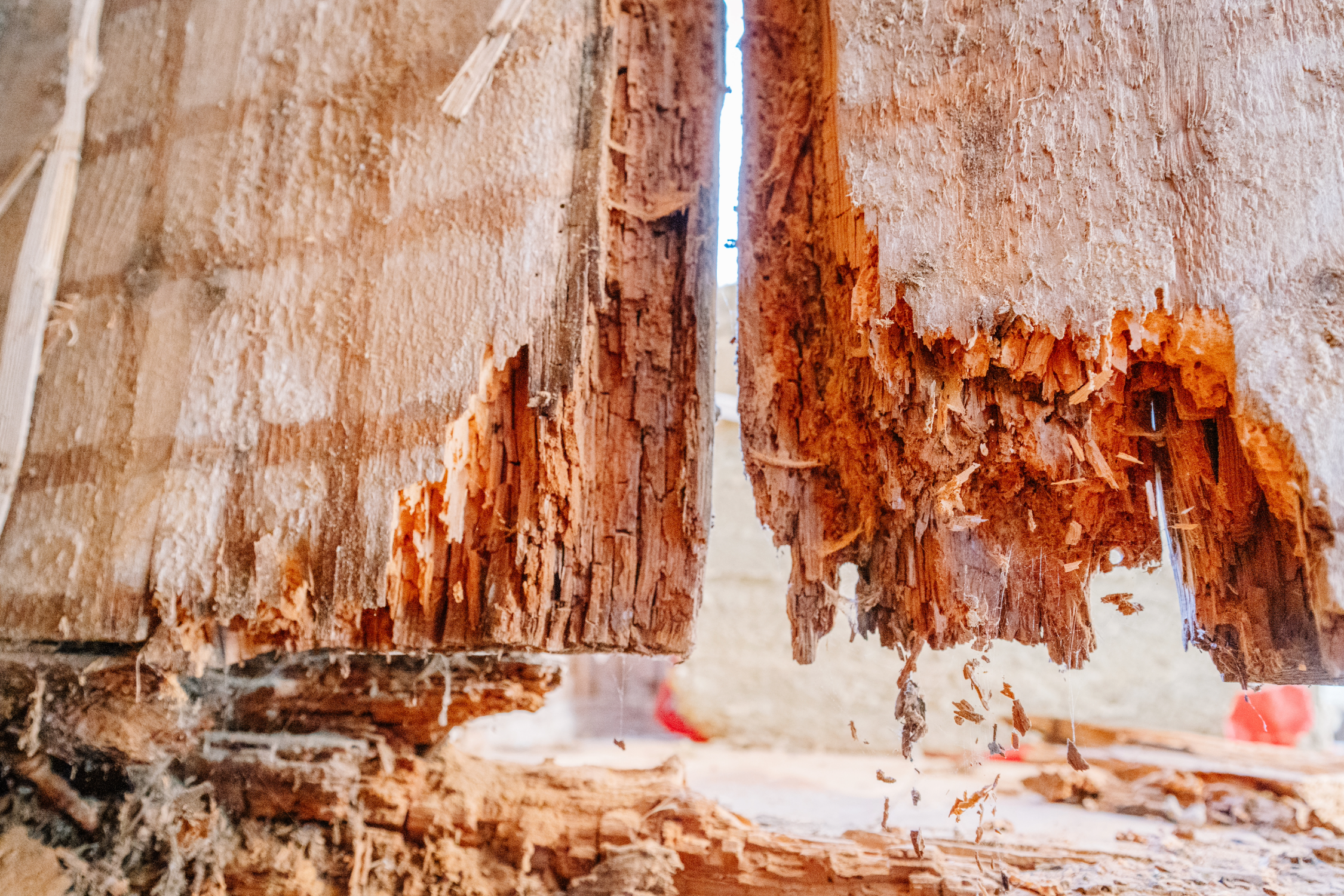
Termites are often called “silent destroyers,” and for good reason. Unlike other pests, they don’t make themselves obvious. Instead, they work 24/7 behind walls, under floors, and inside structural wood—slowly eating away at the materials that hold your property together.
A single termite colony can contain hundreds of thousands of workers, all feeding on wood and other cellulose materials. Over time, this constant feeding can:
- Hollow out support beams
- Weaken flooring and subflooring
- Damage drywall and insulation
- Compromise ceilings and roofing structures
Because the damage happens internally, everything may look normal on the surface—until the structure is already weakened.
How Fast Can Termites Cause Damage?
Many homeowners assume termite damage takes years to become serious. While long-term infestations are the most destructive, termites can begin causing noticeable damage in a matter of months.
Given enough time, an untreated colony can:
- Severely damage structural wood within 1–2 years
- Spread to multiple areas of a property
- Create hidden tunnels throughout walls and foundations
The longer termites go undetected, the more extensive—and expensive—the damage becomes.
The Real Cost of a Termite Infestation
Termite damage is not just structural—it’s financial. Repairs can quickly escalate depending on how far the infestation has progressed.
Common repair costs may include:
- Replacing damaged support beams or joists
- Repairing floors, walls, and ceilings
- Addressing moisture issues caused by termite activity
- Restoring cosmetic damage like paint and drywall
In severe cases, damage can reach tens of thousands of dollars or more. And unlike many other types of property damage, termite damage is often not covered by standard homeowners insurance policies.
Why Termite Damage Is So Dangerous
What makes termites especially destructive isn’t just how much they eat—it’s how well they stay hidden.
By the time you notice warning signs like:
- Hollow-sounding wood
- Buckling floors
- Cracked or bubbling paint
- Mud tubes along foundations
…the infestation may already be well established.
In extreme cases, termite damage can even make a structure unsafe to occupy if critical supports are compromised.
Prevention Is Far Less Costly Than Repairs
The good news is that termite damage is largely preventable. Early detection and professional treatment can stop colonies before they cause significant harm.
Routine inspections and preventative treatments help:
- Catch termite activity early
- Protect vulnerable areas of your property
- Avoid costly structural repairs
- Provide long-term peace of mind
Protect Your Property Before Damage Starts
Termites don’t take breaks—and they don’t stop on their own. What starts as a small, hidden infestation can quickly turn into a major structural problem if left untreated.
If you own a home or business in Northeastern Pennsylvania, now is the time to take action. A professional inspection from DCS Pest Control can identify risks, detect early activity, and provide the protection your property needs.
Don’t wait until you’re dealing with costly repairs—protect your investment from termite damage before it starts.
Tags: exterminate pest control